10 Best Gifts for Snowshoers in 2026 (Trail Tested)
Snowshoes, traction aids, merino layers, and safety gear chosen by snowshoers. See the gifts that keep winter hikers warm, steady, and connected.
Snowshoeing has a low barrier to entry, which is exactly why the gear matters more than people expect. The wrong boots or a pole that doesn't collapse right turns a peaceful winter hike into a miserable slog. This guide is built from real swipe data logged by snowshoers, so what's below has already proven itself on actual trails: traction and flotation, poles and layers, and the navigation and warmth gear that keeps a long trek from going sideways once the sun drops.
What to Look For
- Traction & Flotation: For deep powder, snowshoes with aggressive crampons and wide decks prevent postholing. For packed trails, lightweight microspikes add grip without bulk.
- Insulation & Breathability: Merino wool base layers and insulated jackets hold core warmth without making you sweat, and waterproof shells block wind and wet snow.
- Packability & Weight: Compact trekking poles and headlamps that stash easily in a daypack reduce fatigue on long outings and allow quick transitions.
- Durability & Weather Resistance: Gear built for backcountry use, including reinforced bindings, taped seams, and abrasion-resistant fabrics, holds up season after season.
- Safety & Connectivity: A satellite communicator and a bright rechargeable headlamp are essential on routes where daylight fades and cell service disappears.
Snowshoes & Traction
The foundation of any snowshoe adventure is dependable footing. These top-rated picks keep you moving confidently across varied snow conditions.

Atlas Helium Trail Snowshoes
Lightweight snowshoes with aggressive crampons that stay quick on rolling terrain and hold firm when the trail gets steep.
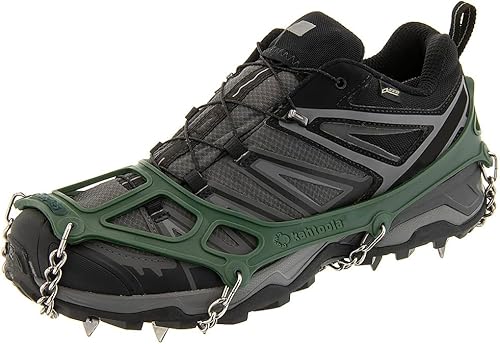
Kahtoola MICROspikes Footwear Traction
Slips over any boot for 360-degree traction on icy packed trails, adding grip without the weight of full snowshoes.

MSR Lightning Ascent
Made for steep backcountry routes, with steel crampons and a binding that holds on side-hills and deep snow.
Poles & Layers
Efficient movement and regulated body temperature start with the right poles and layered clothing. These are essentials for uphill climbs and windy ridgelines.

Black Diamond Distance Z Trekking Poles
Collapsible ultralight poles that soften knee impact on descents and pack down small when not needed.

Icebreaker Oasis Mid-Weight Merino Base Layer
Merino wool base layer that wicks sweat on climbs and holds warmth when you stop, staying odor-free over multiple days.

Columbia Men's Powder Lite II Jacket
Insulated jacket with a heat-reflecting lining that keeps warmth in without restricting movement on snowshoe trips.
Navigation & Light
Staying on trail and visible after sundown takes reliable electronics, and these crowd favorites deliver accuracy and hands-free illumination.

Garmin inReach Mini 2
Pocket-sized satellite communicator with two-way texting and SOS that works where cell service drops.
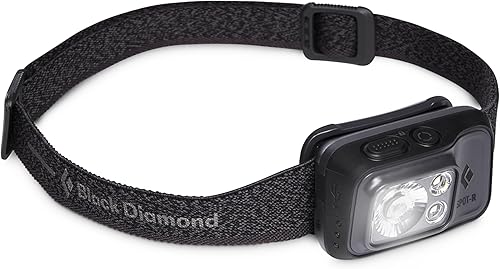
Black Diamond Spot 400-R Rechargeable Headlamp
Rechargeable headlamp with 400 lumens and a focused beam for pre-dawn starts and after-dark trail finding.
Warmth
Extremities take the brunt of winter's bite. These merino wool socks and insulated gloves are reliable for all-day warmth and blister-free comfort.

Darn Tough Vermont Men's Hiker Midweight Micro Crew Sock
Cushioned merino wool socks that keep feet dry and blister-free on long snowshoe outings, backed by a lifetime guarantee.

Hestra Army Leather Heli Ski Glove
Leather-palmed gloves with a long cuff that keep hands warm and let you adjust bindings in wet snow.
Frequently Asked Questions
Do snowshoers need special boots, or can they use regular winter boots? Most snowshoes work with insulated winter boots, but a stiff sole improves control. Look for waterproof boots with gaiters to keep snow out, and avoid overly bulky pac boots that may not fit bindings securely.
What’s the advantage of merino wool over synthetic base layers? Merino wool naturally regulates temperature, wicks moisture, and resists odor for multi-day use. It stays warm even when damp, a critical feature for high-output activities like snowshoeing where you sweat then stop.
Are trekking poles really necessary for snowshoeing? Poles provide stability on uneven snow, reduce strain on knees during descents, and help with balance when breaking trail. They also double as a probe for testing snow depth or stability.
You Might Also Like
- 24 Best Gifts for Hikers in 2026: Trail Tested Favorites
- 16 Best Gifts for Skiers & Snowboarders in 2026
- 16 Best Gifts for Outdoors Enthusiasts in 2026
- 16 Best Gifts for Nature Lovers in 2026
- 14 Best Gifts for Kayakers & Paddleboarders in 2026
How We Ranked These
All products come from GiftingMachine's swipe data. Real users picked what they'd actually want. Each item has at least a 3.5-star Amazon rating.
How we ranked these
Rankings come straight from the GiftingMachine app, where people swipe right on gifts they'd actually give. We score each product with a Wilson lower bound, so a pick with 5,000 loves out of 5,500 swipes beats one with a thin handful of perfect ratings. Prices are indicative and updated periodically; check the retailer for the latest.